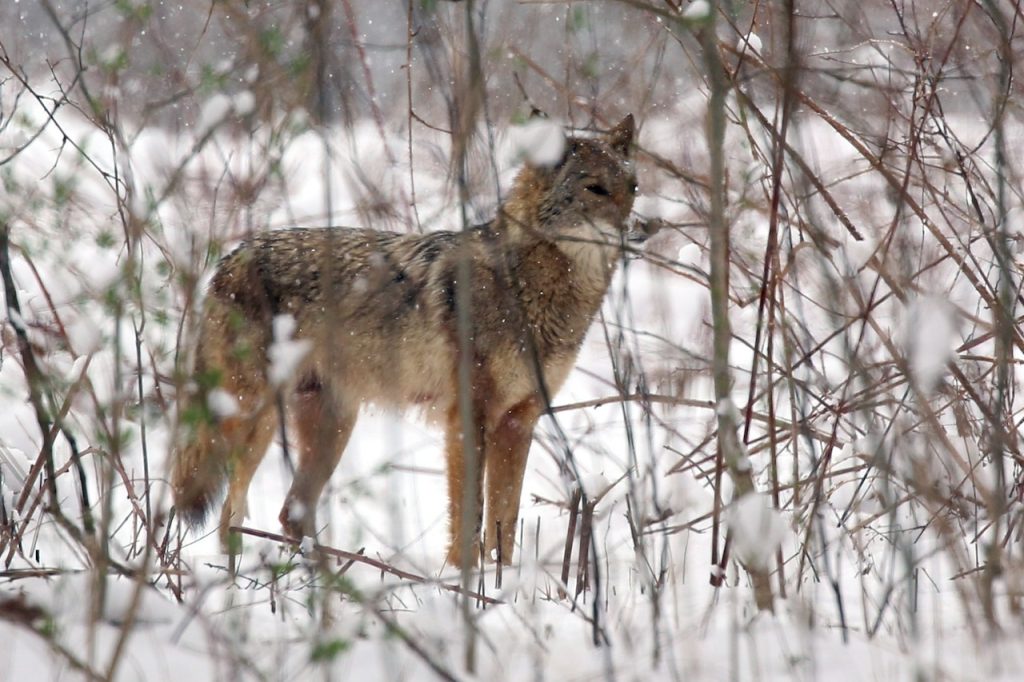


AVON LAKE, Ohio — February brings more than snow and Valentine’s Day to Northeast Ohio — it’s also peak mating season for coyotes.
Avon Lake officials recently took to Facebook to remind residents that the increase in howling, sightings and territorial behavior many have noticed in recent weeks are part of an annual cycle that will taper off by early spring.
The reminder comes amid growing concern from residents, even as wildlife officials stress that most coyote conflicts are preventable with a few basic steps.
Coyotes mate from late December through March, with activity peaking in February. During this period, they may roam more widely and defend territory more aggressively, particularly near den sites. Sightings often drop off in early spring, when packs stay closer to dens to raise pups.
Despite the seasonal uptick in activity, Avon Lake officials say there’s no reason for panic. Coyotes are a natural and permanent part of the city’s landscape, playing an important role in controlling rodents, rabbits and other small animals.
Simple steps can prevent most conflicts. The city and wildlife agencies recommend staying “coyote conscious,” especially when it comes to pets and food sources.
Residents should remove anything that could attract wildlife, including pet food, fallen bird seed, unsecured trash and compost. Small animals drawn in by these food sources can, in turn, attract coyotes.
Dogs should always be kept on a leash and cats are safest indoors — particularly from dusk through dawn, when coyotes are most active. Even fenced yards aren’t foolproof, and residents are encouraged to accompany dogs outside at night.
If a coyote does enter a yard, hazing techniques such as yelling, clapping or whistling can help reinforce the animal’s natural fear of people. However, officials caution that during pup season, hazing may be less effective and can escalate tense situations. In those cases, the safest option is to calmly and confidently leave the area without running.
Coyote attacks on people are extremely rare, especially in the eastern United States, according to wildlife officials. Coyotes also do not typically hunt dogs and most negative interactions occur when dogs are off leash and chase them. While rare, female dogs in heat left outdoors during February may attract male coyotes.
Coyotes generally weigh between 25 and 35 pounds and are solo hunters, not pack attackers, despite common misconceptions.
City officials emphasize one key takeaway: Coyotes are here to stay. Learning how to coexist, especially during the busy mating season, is the most effective way to keep people, pets and wildlife safe.