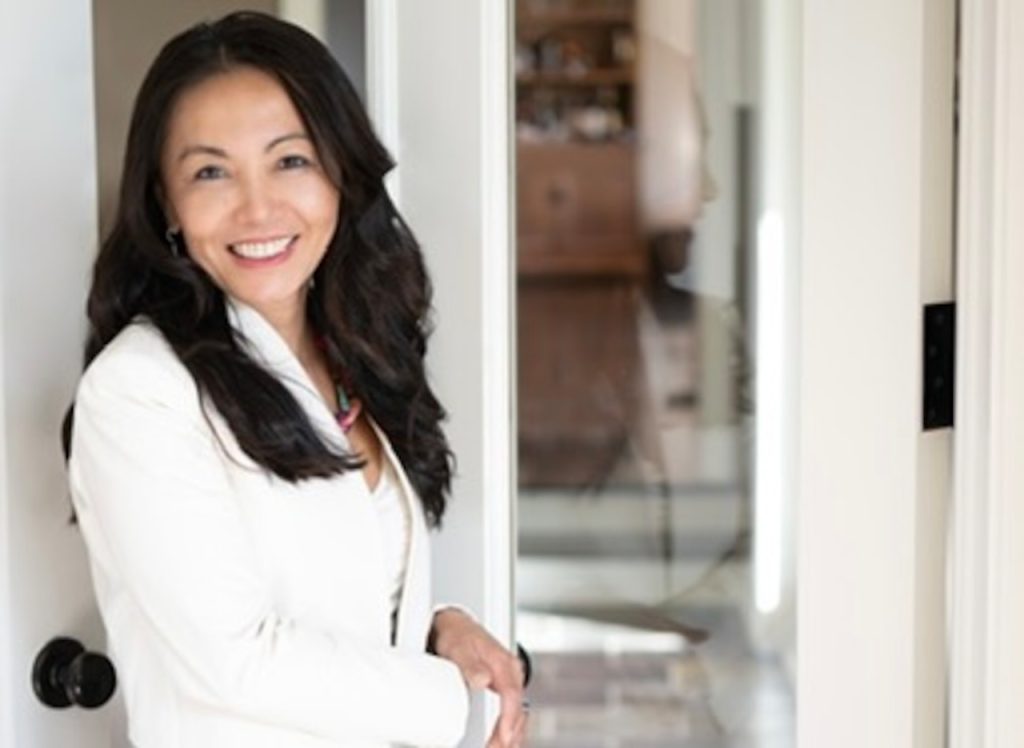


Guest columnist Dr. Diana Ponsky, MD, FACS, is a double board-certified facial plastic surgeon based in Cleveland. She is a frequent speaker on facial anatomy and aesthetics and advocates for education in preventative skin care.
A growing number of men are beginning to challenge the stigma surrounding cosmetic procedures.
Caring about one’s appearance is no longer about vanity; it is about authenticity and confidence.
As cultural expectations around wellness, professionalism and self-presentation evolve, men are rethinking outdated ideas about what it means to invest in themselves.
For decades, men have been encouraged to improve their appearance in very specific, socially acceptable ways. Working out is praised. Eating well is considered disciplined. Investing in a professional wardrobe is viewed as strategic.
These choices are framed as smart decisions that support health, confidence and career success.
Yet when it comes to the face, a different standard has traditionally applied.
Facial aesthetics has long been treated as off-limits for men, dismissed as unnecessary or superficial.
That contradiction is becoming harder to justify. If men are encouraged to maintain their bodies and refine their professional image, it follows that they should be able to address changes in their appearance without judgment.
What I see in my practice reflects this shift clearly. Men are not seeking dramatic change or perfection. They are seeking alignment.
They want their outward appearance to reflect how they feel internally — capable, energized and confident.
When those two things fall out of sync, it can quietly affect how someone shows up, both personally and professionally.
This conversation is especially relevant as careers extend longer and competition remains intense. Men are working well into midlife and beyond, often in leadership or client-facing roles where first impressions still matter.
Facial changes such as heavy eyelids, deep lines or volume loss can unintentionally signal fatigue or disengagement, even when experience and drive remain strong.
Facial aesthetics, for many men, has become a form of maintenance rather than reinvention. The approach is similar to fitness or grooming: thoughtful, intentional and tailored to the individual.
The goal is not to erase character, but to preserve it, while addressing features that no longer feel representative.
Advancements in both surgical and nonsurgical treatments have made this evolution possible. Today’s techniques are more refined, more personalized and more focused on natural outcomes.
Procedures are designed to enhance masculine features, restore balance and deliver results that look appropriate, subtle and authentic.
Just as important as the physical outcome is the emotional one. Many men describe a renewed sense of confidence after addressing concerns they had quietly carried for years.
That confidence often translates into stronger presence, clearer communication and greater ease in social and professional interactions.
When appearance stops feeling like a distraction, focus and engagement increase.
The stigma surrounding men and cosmetic procedures has persisted largely because men were taught not to talk about these choices.
Silence reinforced the idea that caring about facial appearance was something to hide.
As more men begin to approach aesthetics openly and thoughtfully, that stigma continues to fade.
Caring about how you look does not undermine credibility or strength. It reflects self-awareness. It reflects intention.
And increasingly, it reflects a broader understanding of wellness that includes both physical and emotional confidence.
As conversations around authenticity and self-care continue to expand, men are claiming the same freedom long accepted in other areas of life: the freedom to take care of themselves without apology.
Facial aesthetics is not about vanity. It is about confidence, alignment and showing up as your best self.
And for a growing number of men, that choice feels not only acceptable — but necessary.
Readers are invited to submit Opinion page essays on topics of regional or general interest. Send your 500-word essay for consideration to Ann Norman at [email protected]. Essays must include a brief bio and headshot of the writer. Essays rebutting today’s topics are also welcome.